
5 Swiss Abstract Sculptors to Discover Today
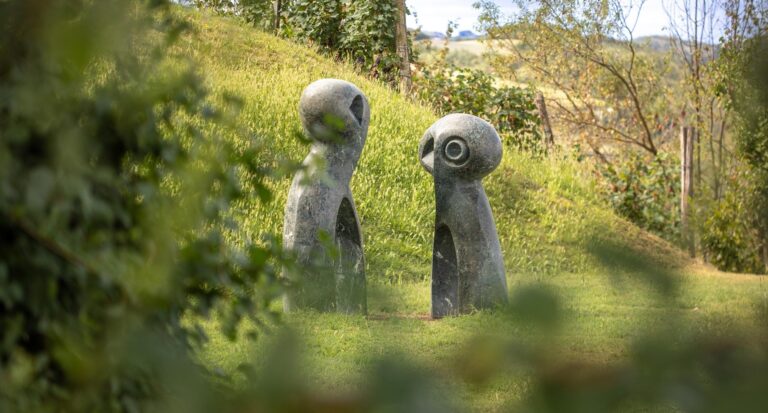
Discover 5 innovative Swiss abstract sculptors, including René Mayer, Zimoun, Ugo Rondinone, Athene Galiciadis, and Roman Singer, shaping contemporary art.
Discover 5 innovative Swiss abstract sculptors, including René Mayer, Zimoun, Ugo Rondinone, Athene Galiciadis, and Roman Singer, shaping contemporary art.
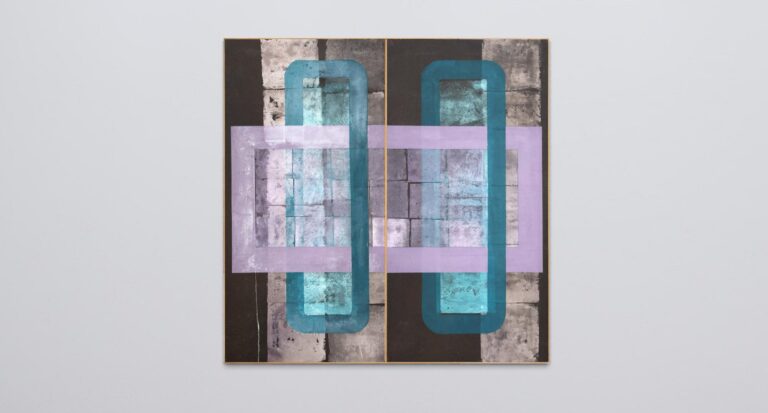
Explore how contemporary artists like Christian Marclay, On Kawara, and René Mayer engage with time and change, from ephemeral moments to deep environmental shifts.
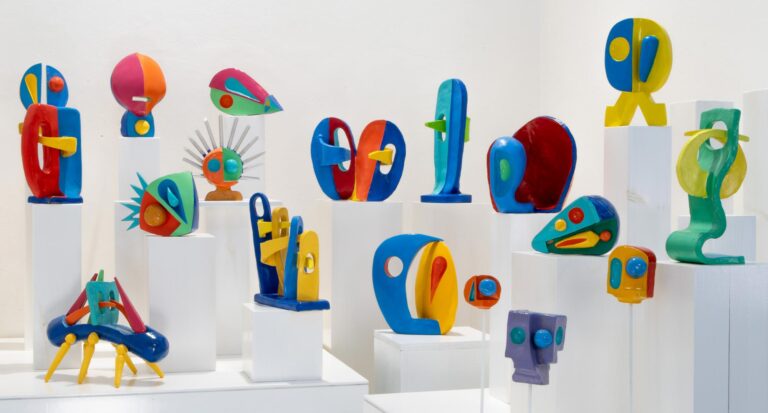
Discover Basel Carnival's rich art history, from ancient rituals to modern interpretations. Explore how Fasnacht inspired artists like René Mayer and his “Viva Viva” series.
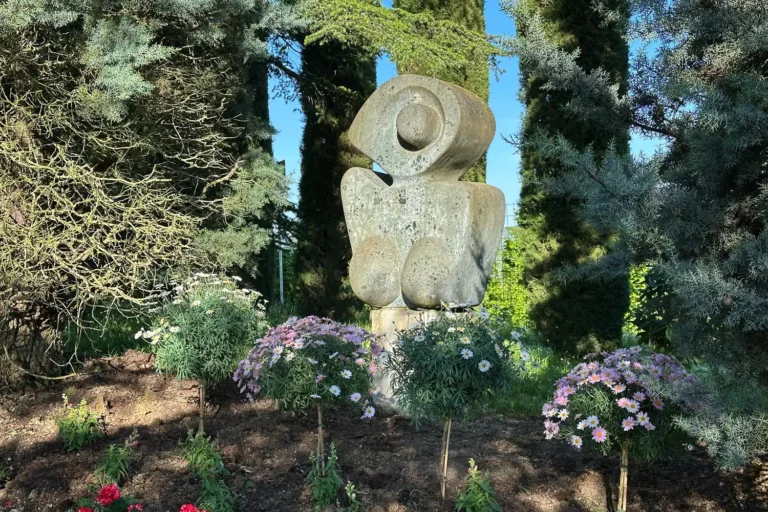
Explorez l'univers de René Mayer, où la sculpture et la peinture abstraite se rencontrent dans un dialogue artistique unique.
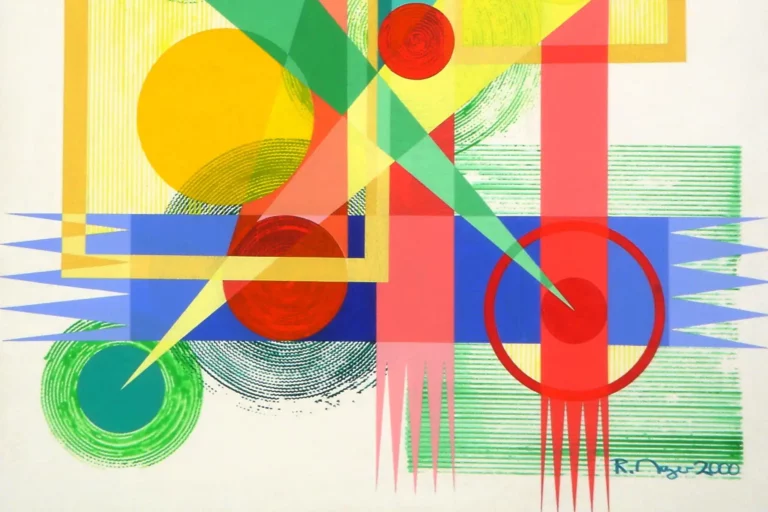
With René Mayer, every painting, every sculpture, every visual fragment seems to arise from the same breath: rigor without stiffness, movement without over-emphasis, fidelity to form without dependence on styles. From the very first abstract works he created in the…
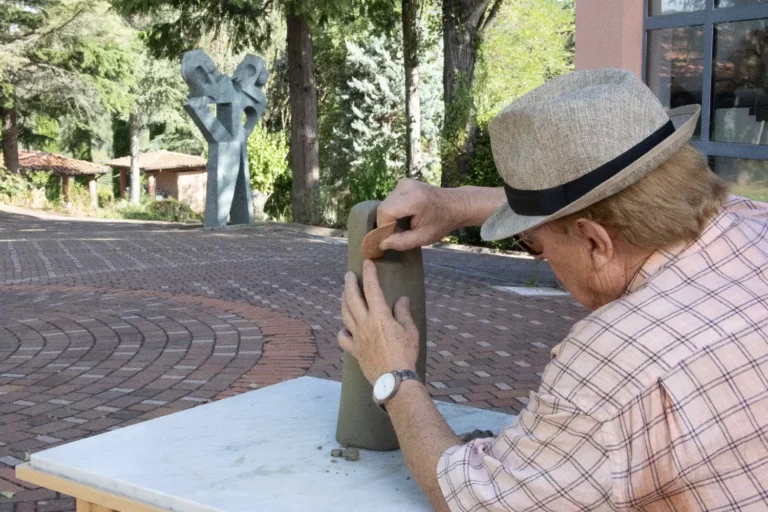
The Medium of Sculpture – a growing plurality What is contemporary sculpture? This question, seemingly simple, calls less for a definition, but rather for a shifting worldview. Sculpture is no longer a discipline bounded by a noble material or a…
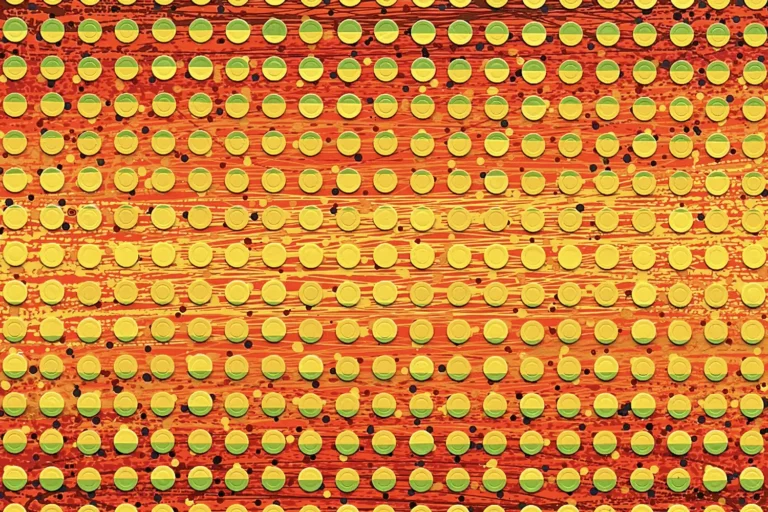
A fundamental theme – chance as a mirror to human behavior Chance in contemporary art is often understood as a technical process: improvised gestures, intentional accidents, uncontrolled devices. For René Mayer, it is not a central approach. His practice is…
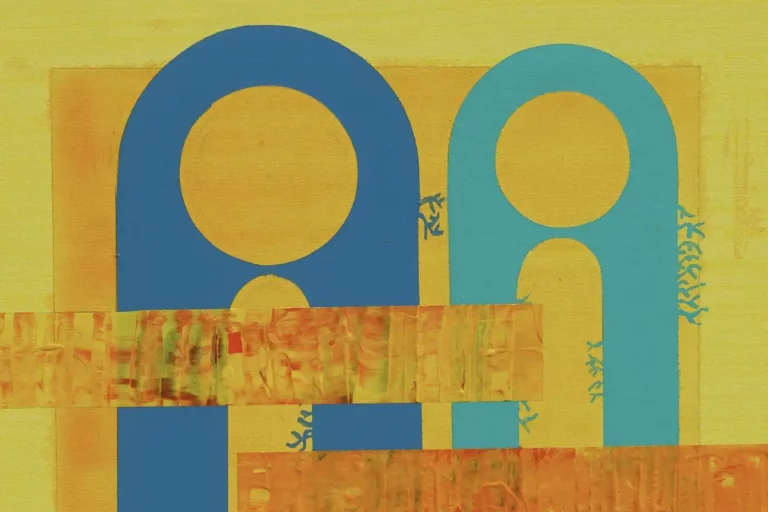
A long history – from vanishing point to erasure In Western painting, linear perspective long served as the central tool for organizing visual space. Since Brunelleschi and Alberti, the canvas was conceived as a window into the world, built on…
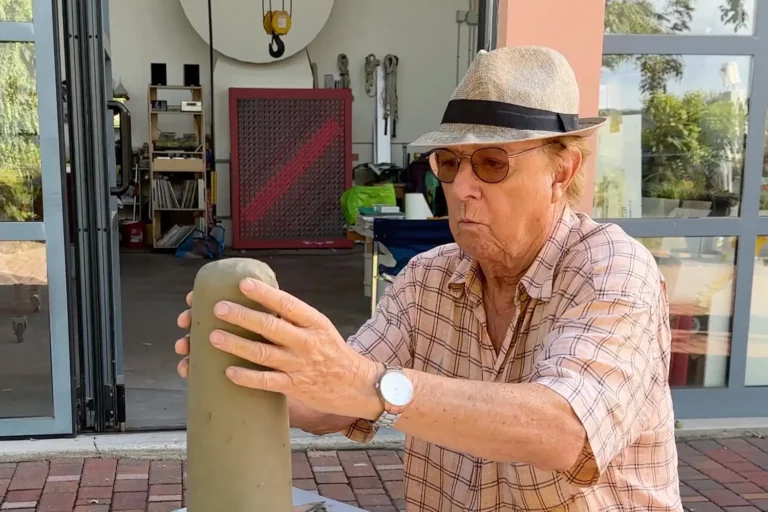
The Origins of a PassionRené Mayer (1947) was born and raised in the German-speaking part of Switzerland, in the Basel region. Basel, Switzerland’s third-largest city, borders Germany and France along the great Rhine River. Industrious and studious, commercial, and flourishing,…
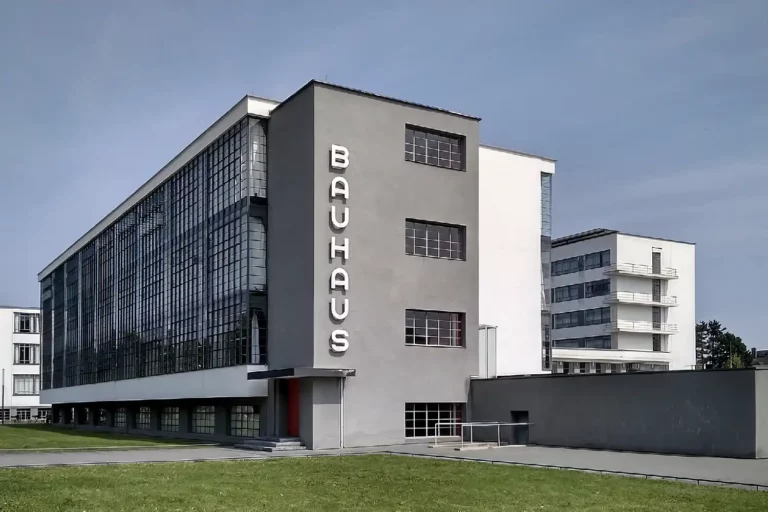
Au fil des années 50 et 60, l’École des arts appliqués de Bâle était un devenu un creuset de créativité dont la réputation s’étendait jusqu’aux États-Unis et à l’Inde. Ses cadres, soucieux de rigueur formelle, dispensaient un enseignement qui s’inscrivait dans la tradition du Bauhaus de Walter Gropius. René Mayer a profité à fond de ces cours non conformistes…