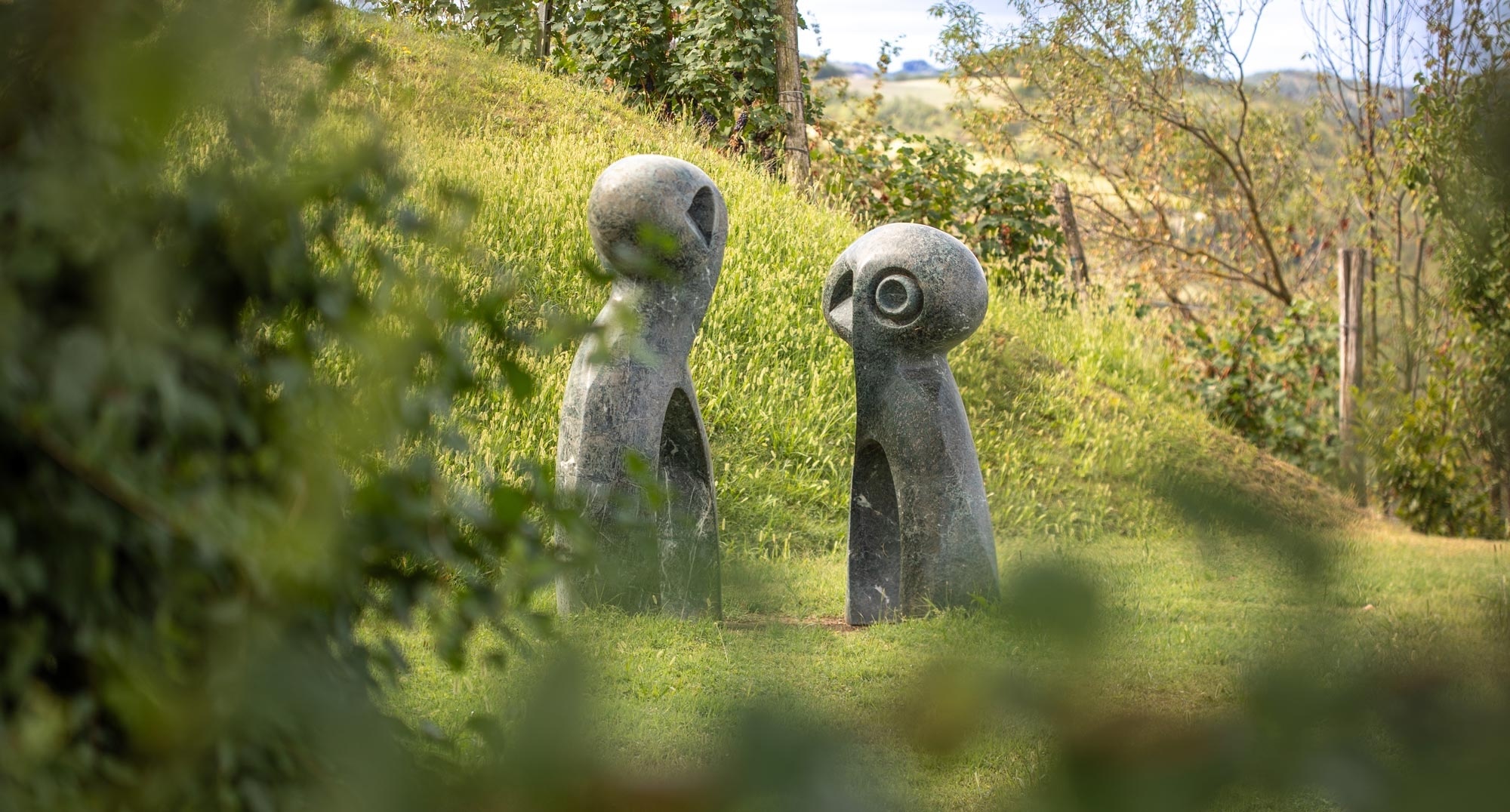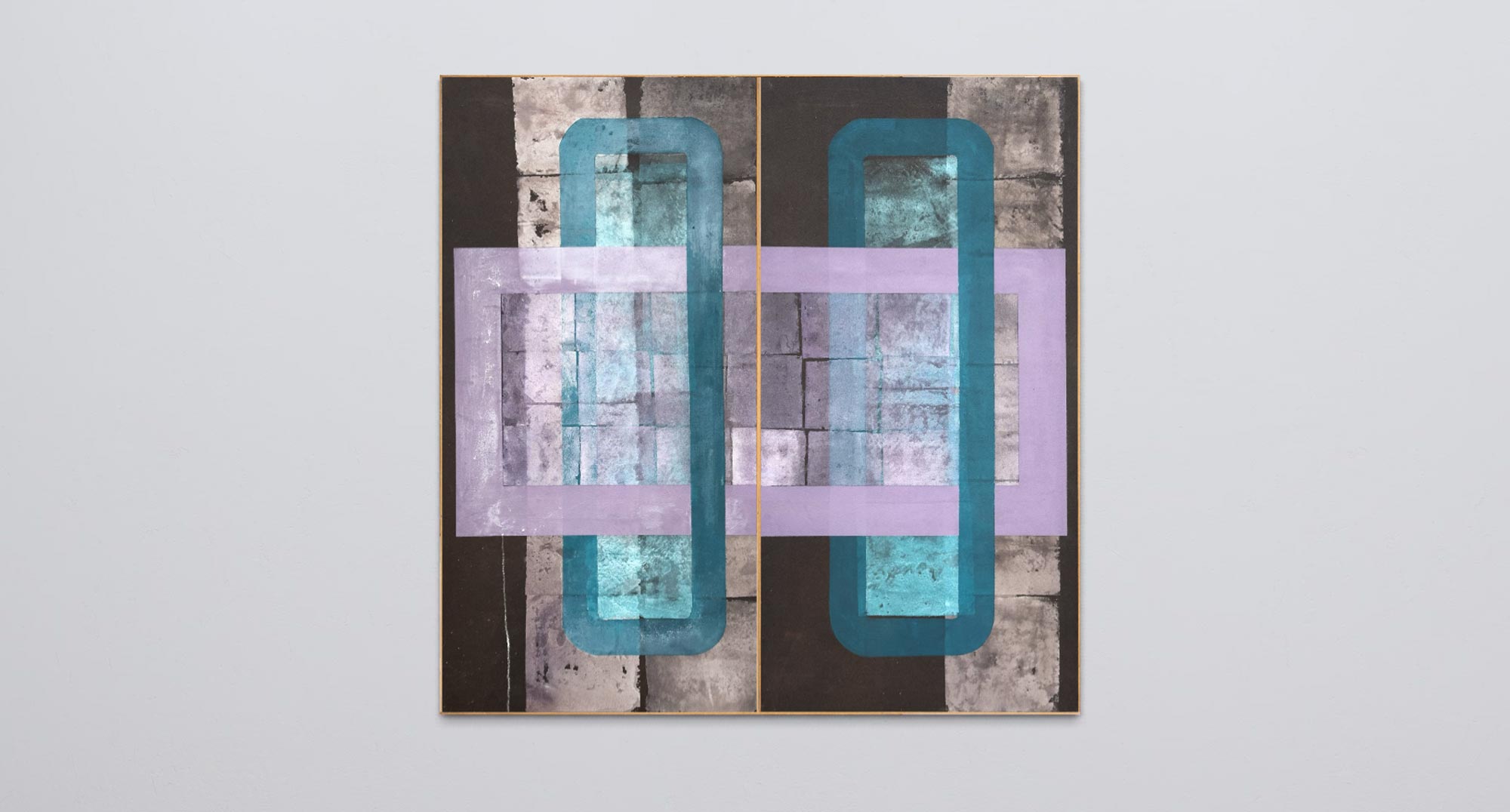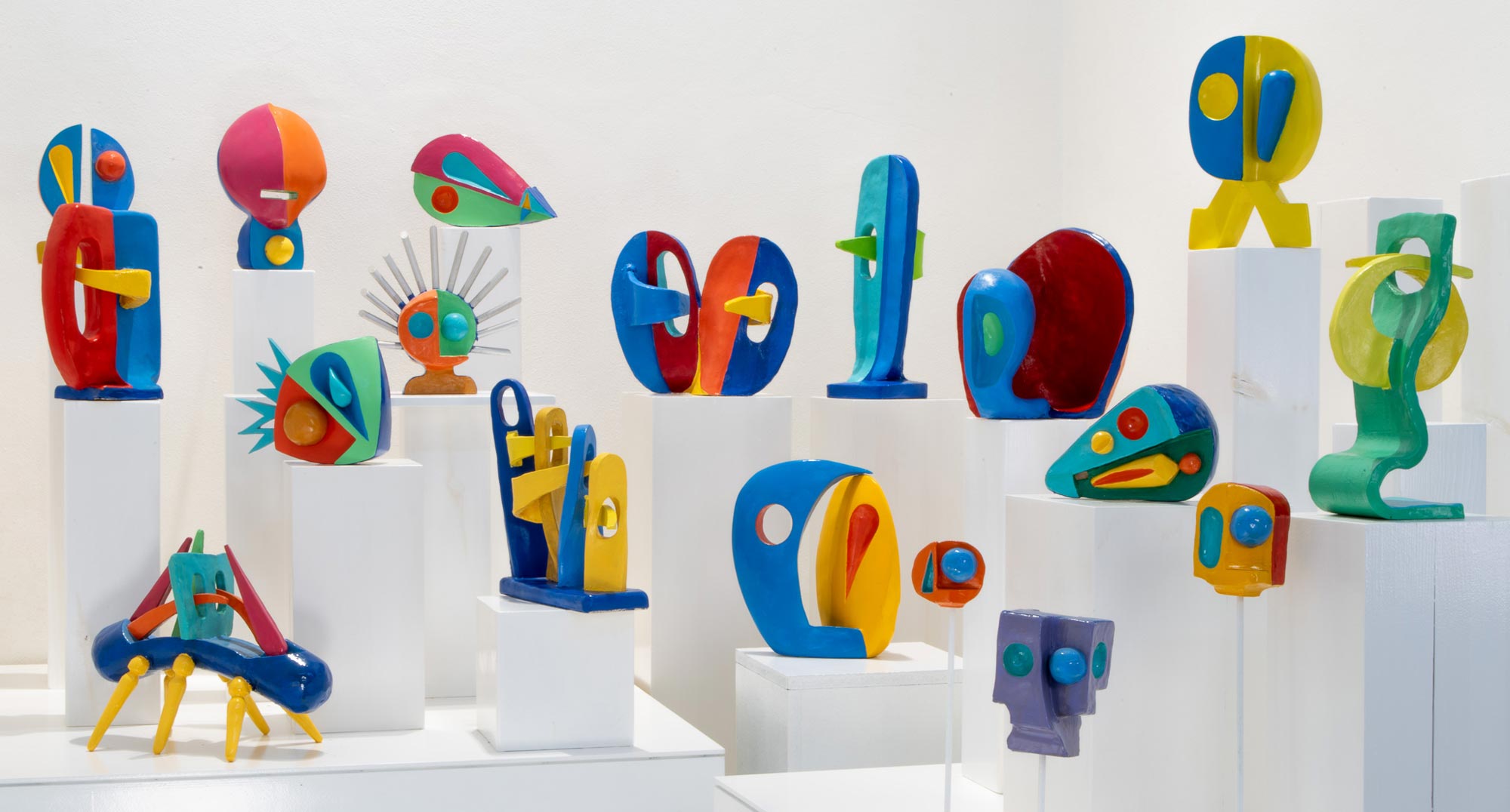
Time, in its relentless and often imperceptible march, has long captivated the human imagination. In contemporary art, this fascination translates into a diverse array of practices that explore duration, memory, transformation, and impermanence. Artists grapple with how time shapes our existence, alters our environment, and registers on the very surfaces of our world. This exploration extends beyond representation; it often involves the artwork itself embodying temporal processes, inviting viewers to reflect on their own relationship with the past, present, and future. From monumental installations that unfold over hours to subtle gestures that mark daily existence, contemporary artists challenge our understanding of chronology and change. This article delves into the profound ways artists like Christian Marclay, On Kawara, and Roman Opalka have engaged with these concepts, and how Swiss multidisciplinary artist René Mayer, through compelling series such as ‘Sandpaper’ and ‘Imperceptible Shift,’ adds a unique voice to this ongoing dialogue. Mayer’s work, which encompasses a rich history of abstract sculpture and painting, reflects a lifelong investigation into how we perceive and relate to the world, often revealing the beauty and dignity found in the visible traces of a life lived.
Defining Time and Change in Contemporary Art
The Concept of Duration and Real-Time
Contemporary artists often challenge the static nature of traditional art by incorporating duration and real-time elements into their work. This can manifest in performances, video installations, or works that evolve over extended periods. Swiss-American artist Christian Marclay‘s monumental video installation, The Clock (2010), stands as a quintessential example. This 24-hour montage meticulously stitches together thousands of film clips featuring clocks, watches, and verbal references to time, all synchronized to real-time. Viewers experience the artwork in a temporal alignment with their own lives, blurring the lines between cinematic narrative and lived experience. Marclay’s work is about showing time, but it’s also about making the viewer feel time passing, often with a profound sense of its weight and relentless progression. The piece becomes a collective meditation on the shared human experience of time, its fleeting nature, and its omnipresence in our daily lives, reflecting how we perpetually navigate its flow. For more on The Clock, see MoMA’s description.
Seriality and Repetition as Temporal Markers
Repetition and seriality are powerful tools artists use to denote the passage of time. By repeating actions, images, or forms, artists create a visual record of accumulation, endurance, and subtle change. This approach emphasizes the cumulative effect of small, incremental moments, often revealing a larger narrative or transformation that might otherwise go unnoticed. The act of repetition itself becomes a temporal marker, each iteration signifying a unit of time passed. René Mayer‘s Imperceptible Shift series is a great example of this. The method challenges the viewer to engage with the work not as a single, fixed object, but as a sequence or process. The subtle variations within a series highlight the constant, yet often overlooked, evolution inherent in all things. It invites a deeper, more meditative form of looking, where patience is rewarded with the revelation of gradual shifts and the weight of accumulated experience. This technique connects directly to the idea of a visual diary, where each repeated mark or form records a moment in time, much like entries in a journal.
The Impermanence of Materials and Forms
Many artists explore time by working with materials that inherently embrace impermanence, decay, or transformation. This can involve using organic matter, unstable pigments, or processes that intentionally alter the artwork over time. The choice of such materials underscores the fragility of existence and the inevitability of change. Works might be designed to rot, rust, fade, or erode, becoming living testaments to the passage of time. This approach often blurs the boundary between creation and destruction, highlighting that artistic expression is not always about permanence but can also be about process and transition. It forces viewers to confront the transient nature of beauty and the cycle of growth and decay, reflecting broader ecological and existential concerns. The artist becomes less of a creator of fixed objects and more of a facilitator of processes, allowing natural forces to co-create the final, ever-changing form. A prominent example is the work of Wolfgang Laib and his use of pollen, or Anya Gallaccio‘s decaying installations.
Societal Shifts Reflected in Art
Beyond individual experience, contemporary art also engages with time by reflecting broader societal and environmental changes. Artists often act as chroniclers of their era, documenting shifts in culture, politics, and technology, or raising awareness about pressing global issues. This can involve examining historical narratives, commenting on contemporary events, or imagining future trajectories. Such works serve as critical commentaries, inviting viewers to consider the temporal dimensions of social progress, decline, or transformation. They often highlight how human actions, both individual and collective, leave indelible marks on the fabric of time and society. By addressing themes like climate change, technological acceleration, or cultural memory, artists use their platforms to connect personal experience with larger historical and systemic forces, urging a reconsideration of our collective trajectory. This approach underlines art’s role as a mirror reflecting the evolving human condition within a changing world, often provoking dialogue and critical engagement.
Pioneering Voices: On Kawara and Roman Opalka
On Kawara’s Daily Affirmations
On Kawara (1932-2014) is perhaps one of the most iconic artists to dedicate his practice almost entirely to the concept of time. His seminal Today series, also known as the Date Paintings, began on January 4, 1966, and continued until his death. Each day, if he completed a painting by midnight, he would meticulously render the date in the language of the country he was in, on a canvas in one of eight fixed sizes. If he failed to finish, the painting was destroyed. This rigorous, ritualistic practice was a profound meditation on the present moment, on existence itself, and on the relentless, irreversibility of time. Kawara’s work is about marking a unit of lived experience, a daily affirmation of being. His other series, such as I Am Still Alive telegrams and I Got Up postcards, further emphasized this daily registration of his existence, creating an extensive, diaristic record of his life across decades. His minimalist yet deeply conceptual approach underscores the profound significance of each passing day. For further reading on Kawara’s profound impact, consider The Guggenheim Museum’s overview.
Opalka’s Quest for Infinity
Roman Opalka (1931-2011) embarked on an equally ambitious and profound exploration of time with his 1965 / 1 – ∞ series. Starting in 1965, Opalka committed to painting numbers from 1 to infinity on canvases, one number after another, filling each canvas with tiny, sequential figures. He began with white numbers on a black background, but with each successive canvas, he added 1% more white to the background, aiming eventually for white numbers on a pure white background—a conceptual representation of infinity and the erasure of self. Each canvas represented a day’s work, a segment of his life, and a visual record of time’s passage and his own aging. Opalka saw his work as a philosophical journey, a pursuit of the infinite through the finite act of painting. His process was a direct confrontation with mortality, a race against time where the artist’s life and work were inextricably linked. The gradual lightening of the canvases visually mirrors the fading of life itself, moving towards an ultimate, luminous void. His work is a powerful testament to endurance and the human desire to comprehend the immeasurable. You can explore a detailed analysis of his work in Hyperallergic.
The Artist’s Body as a Chronometer
Both Kawara and Opalka, through their respective practices, transformed their own bodies and daily routines into living chronometers. For Kawara, his existence was literally registered day by day through the completion of his date paintings and the sending of his postcards and telegrams. His physical presence and the time he spent creating each work were integral to its meaning. Similarly, Opalka’s project was a lifelong endeavor, intrinsically tied to his personal aging process. The progression of his numbers and the gradual lightening of his canvases mirrored his own journey towards the end of life. His face, photographed at the end of each day’s work, further emphasized this connection, showing the visible traces of time on his own physiognomy. This deep intertwining of the artist’s body, life, and creative output become profound existential statements. The act of making is also a performative endurance, a testament to the artist’s unwavering commitment to their temporal inquiry.
Philosophical Underpinnings of Time-Based Art
The works of On Kawara and Roman Opalka are deeply rooted in philosophical questions about existence, perception, and the nature of time itself. They challenge linear narratives and conventional understandings of progress, instead emphasizing the cyclical, repetitive, and often monotonous aspects of time. Their art invites a contemplation of the ‘now,’ the ‘before,’ and the ‘after’ not as distinct entities, but as an interconnected flow. Opalka’s pursuit of infinity, for instance, touches upon concepts of the sublime and the limits of human comprehension. Kawara’s daily markings evoke a sense of the absurd and the profound in equal measure, highlighting the simple yet overwhelming fact of being alive. These artists push the boundaries of what art can be, transforming it into a vehicle for philosophical inquiry. Their practices resonate with existentialist thought, emphasizing individual responsibility in the face of an indifferent universe and the conscious act of marking one’s passage through it. Their work remains highly influential for contemporary artists grappling with similar profound themes, offering a blueprint for art as lived philosophy.
René Mayer’s ‘Sandpaper’: A Meditation on Wear and Memory
The Tactile Memory of Surfaces
René Mayer’s ‘Sandpaper’ series, which began in 2012, is a powerful exploration of the passage of time and the indelible marks it leaves behind. At its core, this body of work reflects on surfaces that carry the memory of everything they have absorbed, much like human skin, which ages, scars, and marks with every passing year. Mayer’s fascination with this concept was sparked during a visit to a wood-processing facility, where he observed massive sanding machines with wide abrasive belts moving through endless cycles of friction and erosion. This experience led him to question: what happens when one paints on sandpaper? His choice of material is not merely aesthetic; it is deeply conceptual, evoking the tactile history of wear and the accumulated experiences that shape both objects and beings. The surface of sandpaper, inherently designed for abrasion, becomes a metaphor for the physical and emotional landscapes that bear the traces of time. This tactile memory is central to the series, inviting viewers to consider the narratives embedded within worn surfaces. For more on Mayer’s approach to pictorial representation and art graphics, his methods offer a unique perspective.
Sandpaper as a Metaphor for Human Experience
Mayer deliberately works with used sanding belts rather than new ones. These surfaces already carry traces of labor, friction, and time; they are scratched, worn, and uneven. The grain is visible, asserting itself beneath the paint, resisting complete coverage. This choice transforms the material into a potent metaphor for human experience. Just as sandpaper is shaped and marked by its use, so too are human lives etched with experiences, struggles, and transformations. The resilience of the human body, its capacity to endure and carry its history, is mirrored in the way the sandpaper surface persists despite repeated abrasion and layers of paint. The works read like a visual diary of experience, a meditation on the strength found in visible imperfections and the dignity of human life. Mayer reveals a celebration of endurance through the act of making art on material that has been worn but not erased, suggesting that true beauty often emerges from hardship, resilience, and the passage of time. This resonates with the idea that our scars tell stories, making us who we are.
The Process of Accumulation and Resistance
Mayer’s artistic process in the ‘Sandpaper’ series is itself a performative engagement with time and material resistance. He discovered that sandpaper absorbs acrylic paint in an unusual way; the first layers sink into the surface and nearly disappear, as if swallowed by the grain itself. For color to persist, Mayer had to return to it again and again, applying multiple layers until the image slowly began to hold. This process of repetition, accumulation, and patience is central to the series’ meaning. This struggle between the applied paint and the resistant surface mirrors the ongoing negotiation between human will and the forces of time and wear. The very act of painting becomes a temporal exercise, a slow build-up of presence against inherent resistance, highlighting the effort and persistence required to leave a lasting mark. Each layer of paint, like each passing moment, contributes to a cumulative effect that eventually yields a profound visual narrative. This method echoes the patient, iterative processes found in Bauhaus principles, which Mayer was trained in.
Echoes of Bauhaus in Material Exploration
Mayer’s approach to the ‘Sandpaper’ series, with its emphasis on material, process, and the intrinsic qualities of the medium, draws deeply from Bauhaus principles, particularly the teachings of Johannes Itten and Josef Albers. The Bauhaus philosophy advocated for an understanding of materials and their inherent properties, allowing the medium to inform the artistic outcome. Mayer’s curiosity about what happens when one paints on sandpaper, and his subsequent experimentation with its unique absorptive and resistant qualities, directly reflects this ethos. He merges technical precision with intuitive exploration, allowing the material itself to dictate part of the creative journey. The raw, industrial nature of the sandpaper, combined with its transformation through painting, speaks to a dialogue between form and function, a hallmark of Bauhaus influence. This series, therefore, is not just a meditation on time and memory but also a testament to a rigorous, material-led artistic practice, where the medium is as much the message as the image itself. The choice of industrial materials and a methodical approach aligns with the functional and aesthetic considerations championed by the Bauhaus movement.
“Imperceptible Shift”: Time, Chance, and Environmental Responsibility
The Subtlety of Gradual Transformation
René Mayer’s ‘Imperceptible Shift’ series delves into another crucial aspect of time: the subtle, often unnoticed changes that accumulate to create profound transformations. The title itself, derived from the Italian ‘furtivo’ (meaning something done or occurring secretly and rapidly, so as to prevent others from noticing), invites viewers to observe his works very closely. From one passage to the next, the difference is minimal, but if one lets their gaze move across the sequence and reach the end, the mutation becomes evident—and so does its effect. Something has happened, and we did not notice it. This concept is central to understanding many contemporary issues, particularly environmental ones, where gradual degradation goes unaddressed until it reaches a critical, irreversible point. Mayer’s paintings, with their artisanal precision and layered construction, embody this idea, creating a visual metaphor for the slow, creeping changes that define our world. The series challenges our perception, urging us to become more vigilant observers of the continuous, often hidden, evolution around us.
Casino Chips as a Symbol of Risk and Loss
In the ‘Imperceptible Shift’ series, Mayer introduces a single real object in large quantities, repeated in serial form: identical round shapes, casino chips used in place of money. This choice is clearly connected to gambling, where the player entrusts themselves to chance and fate, beyond the dominion of logic and reason. One can win, one can lose, but in the long run, the house inevitably prevails. For René Mayer, the house is reality itself—nature. As he has stated, ‘the tokens symbolize the irresponsibility of our civilization. We gamble with the Earth as if it were a casino, but in this game we are the losers.’ The repeated chips, arrayed in luminous, colorful patterns, initially present a pleasing universe. Yet, beneath this surface, they carry a stark warning about the risks we take with our planet. The serial repetition of these objects, much like On Kawara’s dates or Roman Opalka’s numbers, underscores the cumulative nature of our actions and their eventual, often irreversible, consequences. This potent symbolism makes the series a critical commentary on contemporary societal behavior, highlighting the dangers of short-sighted decisions.
Unveiling Environmental Imperceptible Shifts
Mayer places environmental issues at the center of his reflection in ‘Imperceptible Shift,’ comparing the subtle changes in his work to those small, everyday behaviors to which we pay little attention. When these seemingly insignificant actions are lined up like chips, they reveal themselves as contributing causes of numerous, avoidable disasters. The effects of loss and disaster are not immediately perceptible to the naked eye because, precisely, the mutations are imperceptible, and we are not accustomed to noticing them in the moment. On the contrary, we tend to minimize them. Yet, when we stop to reflect, something has already been set in motion, and returning to the previous order becomes difficult. In casino terms, one might say, ‘les jeux sont faits’ (the games are done). Mayer’s art, therefore, serves as a powerful visual allegory for climate change and other ecological crises, where gradual, seemingly minor alterations accumulate into devastating, large-scale impacts. He makes the unseen visible, urging a heightened awareness of our collective environmental footprint. This artistic approach resonates with the growing field of eco-art, which seeks to engage audiences with environmental concerns through creative expression.
Personal Responsibility in the Face of Unseen Change
Without resorting to grand declarations or proclamations, Mayer’s ‘Imperceptible Shift’ calls us to personal responsibility. His paintings present a luminous, colorful, and pleasing universe, satisfying those in search of strong painting. That might be enough – but it is not. There is no need for a storm or a tidal wave; a sequence of small, colorful gaming chips is enough to make us suspect that we could, indeed, do better than this. Mayer’s work acts as a gentle reminder that even the smallest, most ‘imperceptible’ actions have cumulative consequences, in our relationships with nature and others around us, and that our collective future depends on recognizing and acting upon these subtle shifts before they become irreversible. This subtly urgent message underscores the ethical dimension of contemporary abstract art, demonstrating its capacity to engage with pressing societal issues without sacrificing aesthetic appeal.
Conclusion
The exploration of time and change in contemporary art reveals a profound and multifaceted engagement with the human condition and our evolving world. From Christian Marclay’s real-time cinematic meditations to On Kawara’s daily affirmations of existence and Roman Opalka’s lifelong quest for infinity, artists continually push the boundaries of how we perceive and interact with the temporal. René Mayer stands firmly within this tradition, yet carves out his own distinct path. His ‘Sandpaper’ series offers a poignant reflection on the memory embedded in surfaces and the resilience of the human body against the relentless wear of time, celebrating the beauty found in imperfection and endurance. Meanwhile, his ‘Imperceptible Shift’ series, with its evocative use of casino chips, serves as a powerful, yet subtly delivered, warning about our collective responsibility and its impact over time. Mayer’s work, deeply rooted in Bauhaus principles and a lifelong dedication to material exploration, bridges aesthetic appeal with profound conceptual depth. He invites us not only to see but to feel, to reflect, and ultimately, to act. In a world characterized by rapid transformation and often overwhelming challenges, artists like Mayer remind us that art can be both a mirror and a compass, reflecting our present and guiding us towards a more conscious future.